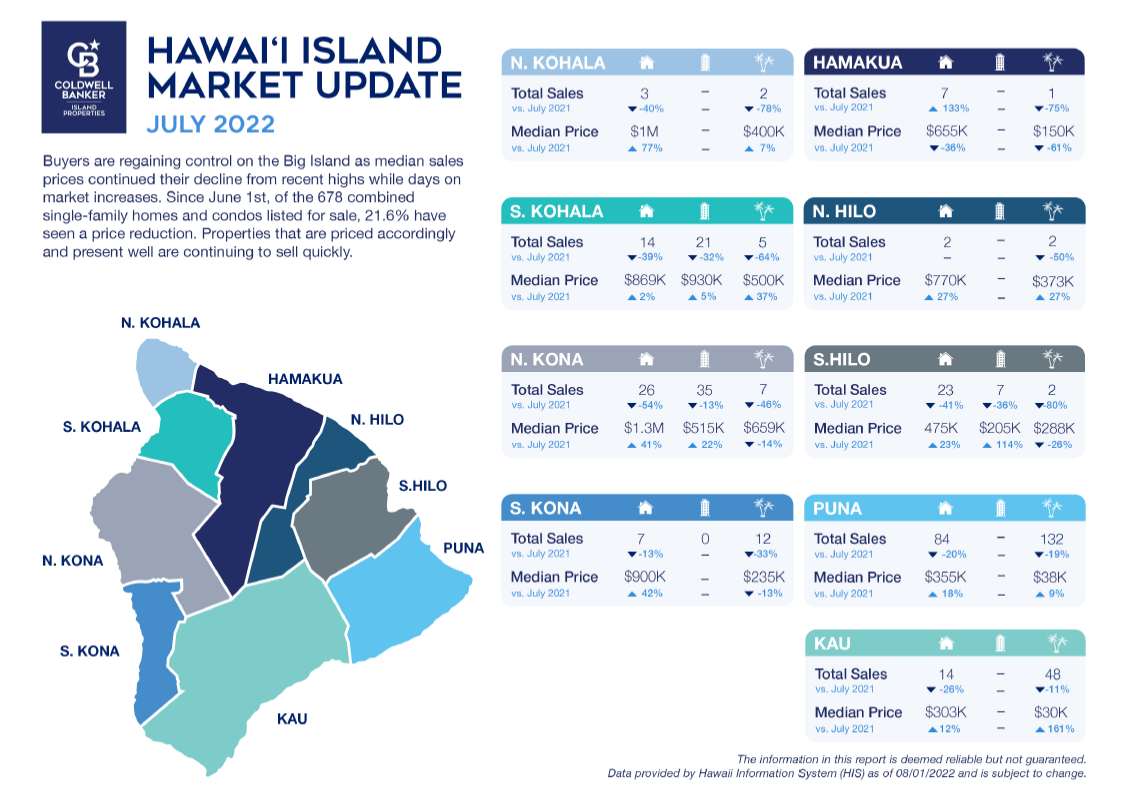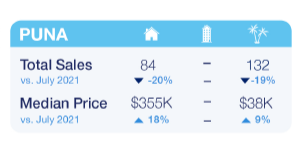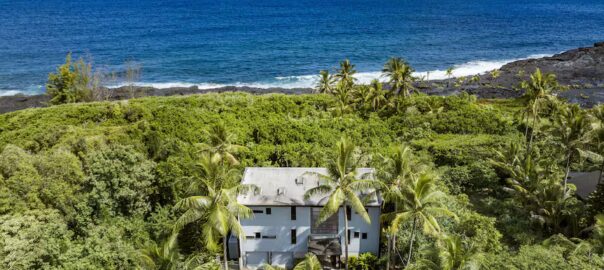
The real estate market in the Puna District on the Big Island of Hawaiʻi continues to show steady activity as buyers search for affordability and space. While the overall Hawaiʻi Island housing market has shifted toward a more balanced environment, Puna remains one of the island’s most accessible areas for both homebuyers and land investors.
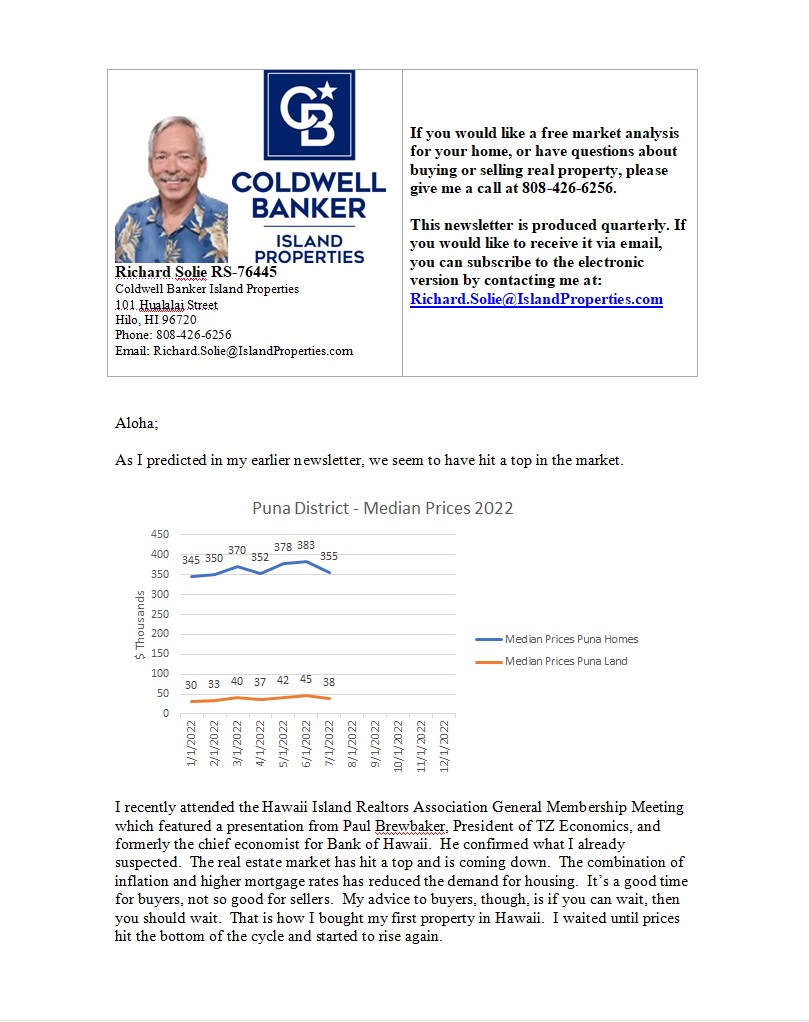
Across the district, the median home price is currently around $395,000, still significantly lower than many other parts of Hawaiʻi. Homes are generally taking three to four months to sell, giving buyers more time to evaluate properties while well-priced homes continue to attract strong interest.
Hawaiian Paradise Park Real Estate
Hawaiian Paradise Park (HPP) remains one of the most active subdivisions in the Puna District.
Market Snapshot
- Median home price: about $530,000
- Typical days on market: 90–100 days
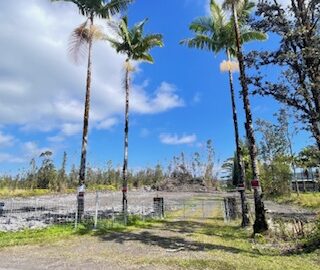
HPP continues to attract buyers because of its one-acre parcels, paved roads, and convenient location between Hilo and Pāhoa. The subdivision offers a balance of rural living with relatively easy access to schools, shopping, and services.
Hawaiian Acres Land Market
Hawaiian Acres is known for its larger parcels and rural lifestyle.
Typical property characteristics
- Parcel size: 3 acres
- Land price range: $40,000 – $100,000+
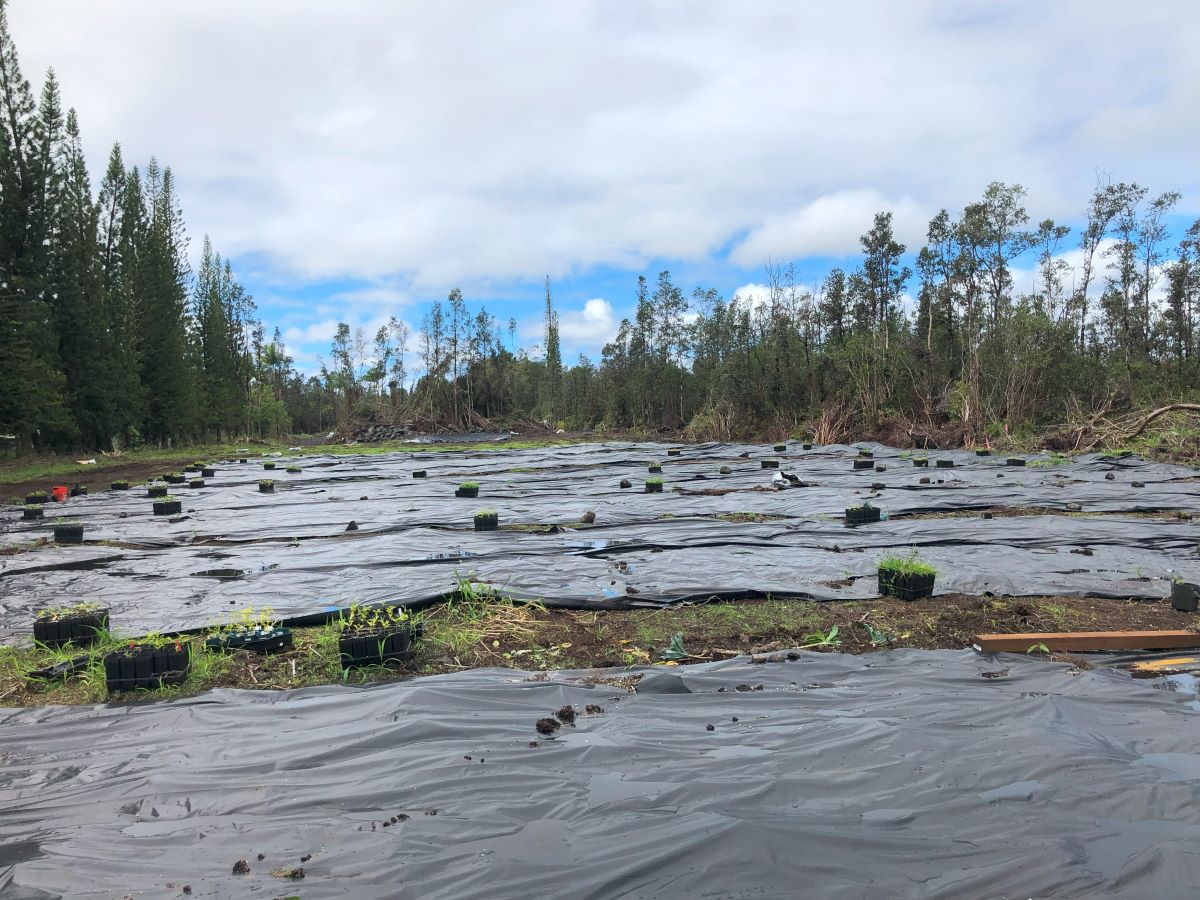
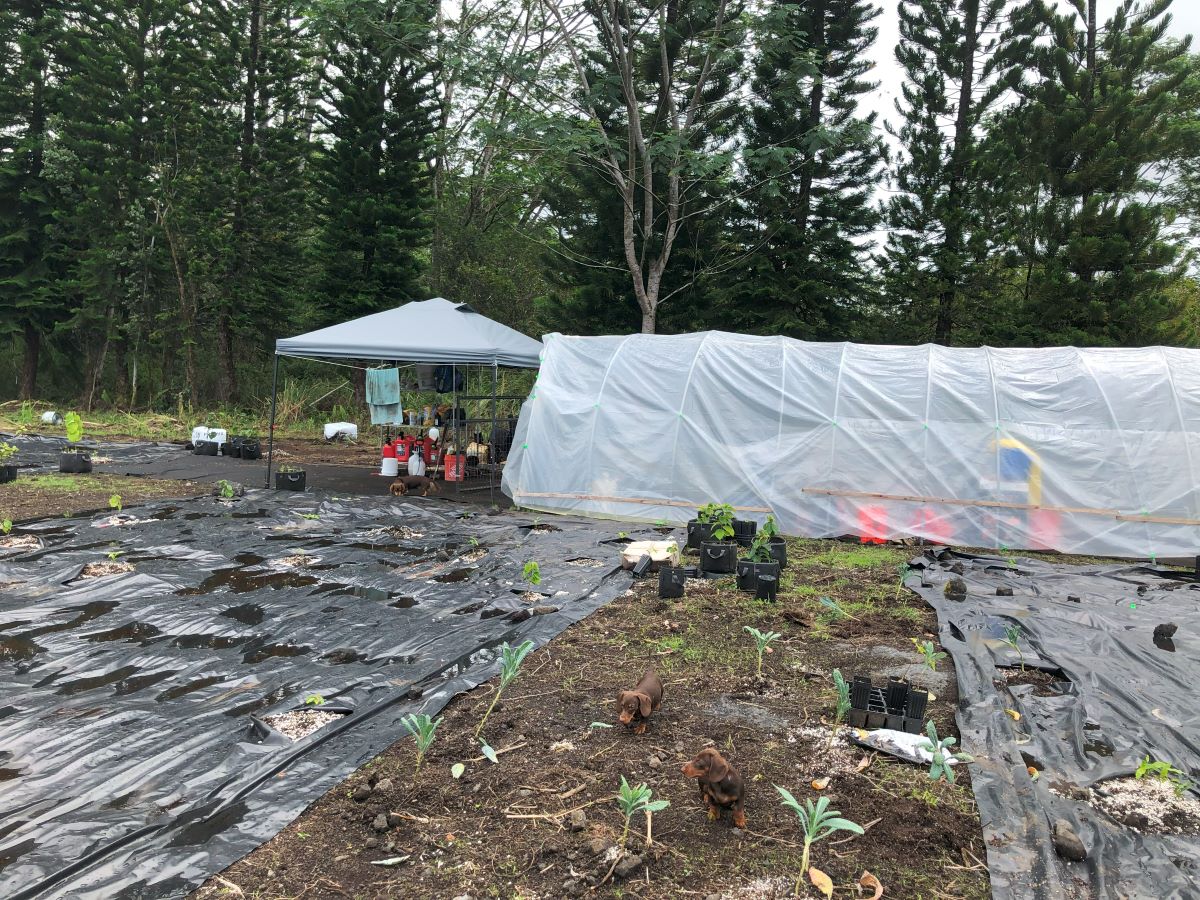
Buyers are often drawn to Hawaiian Acres for privacy, farming opportunities, and off-grid living potential. Many purchasers buy land with plans to build in the future.
Pāhoa Housing Market
The town of Pāhoa serves as the commercial center of lower Puna and continues to grow with new businesses, restaurants, and community services.
Current median home price:
About $325,000
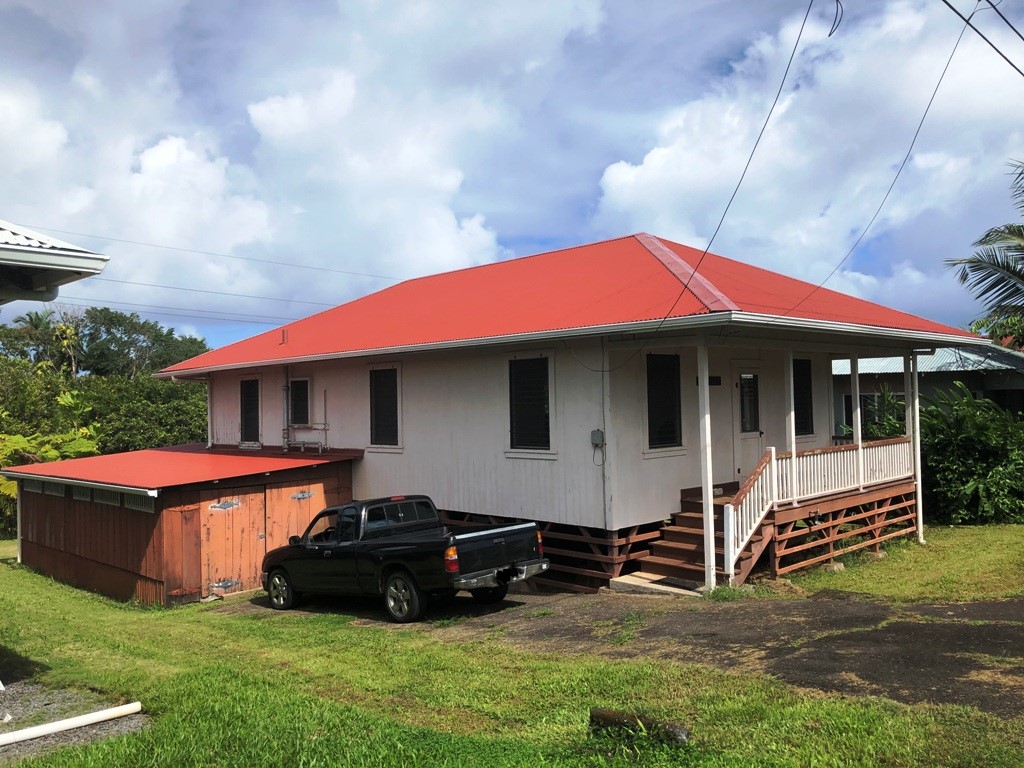
This makes Pāhoa one of the more affordable communities on Hawaiʻi Island, particularly attractive to first-time homebuyers and investors.
Puna Market Highlights
- Median Puna Home Price: $395,000
- Median Hawaiian Paradise Park Home Price: $530,000
- Median Pāhoa Home Price: $325,000
- Typical Days on Market: 90–115 days
- Hawaiian Acres Land: $40K – $100K+
Why Buyers Continue to Choose Puna
- Larger lot sizes compared to other parts of Hawaiʻi
- More affordable homes and land
- Rural lifestyle with privacy and space
- Long-term growth potential on the Big Island
Thinking About Buying or Selling in Puna?
If you would like information about current market trends, property values, or available homes and land in the Puna District, feel free to reach out.